A complete guide to used collapsible bulk containers for efficient transport and storage
Why Mass Containers Are Essential for Cost-Effective and lasting Transport
Mass containers play a necessary duty in modern logistics. They help with the effective motion of big amounts of goods, thus enhancing transport procedures. This approach not just minimizes prices however likewise reduces ecological effect through reduced discharges and waste generation. As industries look for more lasting methods, the adoption of mass containers is becoming significantly considerable. What ramifications does this change hold for future logistics and supply chain administration?

The Advantages of Making Use Of Bulk Containers in Logistics
Bulk containers change logistics by enhancing efficiency and sustainability. These containers enable the transport of big quantities of goods in a solitary journey, significantly lowering the number of trips required. This not only enhances operations but additionally lessens labor expenses connected with handling, packing, and discharging. Furthermore, bulk containers are developed to enhance area use within transportation lorries, ensuring that even more items can be delivered at the same time.
The standardization of bulk containers also simplifies the logistics procedure. With uniform measurements, they can be easily stacked and kept, causing enhanced stockroom monitoring. In addition, bulk containers commonly feature resilient materials that safeguard contents from damage throughout transit, thus reducing product loss and boosting overall integrity. As an outcome, businesses can experience enhanced supply chain efficiency, inevitably causing enhanced profitability and consumer satisfaction. This mix of variables makes bulk containers an important asset in modern-day logistics.
Environmental Impact: Reducing Waste and Carbon Impact
As sectors progressively prioritize sustainability, the fostering of mass containers has actually become an essential approach for decreasing waste and reducing carbon footprints. These containers lessen using product packaging products, such as boxes and plastic, thereby significantly lowering overall waste generation. By consolidating deliveries, bulk containers improve transport performance, allowing for more products to be delivered per journey. This decrease in journeys directly correlates with reduced greenhouse gas discharges, adding to a smaller carbon impact.
In addition, bulk containers can commonly be recycled or recycled, additionally mitigating environmental influence. The longevity of these containers assurances they can stand up to several transportation cycles, minimizing the demand for single-use options. used plastic containers. By improving logistics and promoting effective source usage, mass containers not just sustain sustainable practices yet likewise motivate industries to straighten with international ecological goals. Ultimately, their implementation mirrors a dedication to environmental stewardship and accountable source administration
Cost Savings: Just How Mass Containers Lower Transportation Expenses
While several companies seek means to improve their bottom line, the use of bulk containers provides a substantial possibility for decreasing transport costs. Mass containers optimize the volume of products carried, allowing companies to ship bigger quantities at the same time. This efficiency lowers the variety of trips required, straight decreasing gas costs and reducing labor costs related to loading and discharging.
Additionally, bulk containers commonly include structured layouts that optimize space use within transportation automobiles. This implies less empty areas, resulting in extra efficient usage of available ability. The longevity of bulk containers can decrease the danger of item damage during transit, guaranteeing and reducing losses that more items arrive undamaged.
Enhancing Supply Chain Efficiency With Mass Storage Solutions
Mass storage space remedies play a vital function in boosting supply chain effectiveness by maximizing inventory management. By consolidating products into fewer, larger containers, organizations can greatly decrease dealing with expenses related to regular transfers and handling. This structured strategy permits far better monitoring and monitoring of supply, ultimately resulting in enhanced functional performance.
Structured Stock Management
Reliable inventory management is essential for optimizing supply chain operations, particularly when organizations embrace bulk storage space options. These solutions enable businesses to maintain higher supply degrees while reducing the frequency of replenishment. By combining materials into bulk containers, companies can streamline their inventory processes, minimizing the complexity connected with tracking multiple smaller plans. This approach helps with accurate inventory matters and enhances forecasting precision, enabling even more informed decision-making. Additionally, bulk storage space services streamline warehouse company, making it less complicated to situate and gain access to items when needed. As an outcome, organizations can attain a much more efficient supply turnover rate, inevitably improving overall supply chain performance and reducing the chance of stockouts or overstock circumstances.

Reduced Handling Expenses
The application of mass storage space solutions not just streamlines supply administration yet also considerably reduces dealing with expenses throughout the supply chain. By consolidating materials right into mass containers, firms decrease the need for regular handling and transfer in between different storage and transportation units. This method reduces down on labor costs associated with loading, discharging, and relocating smaller sized packages. Additionally, bulk storage minimizes the regularity of deliveries, resulting in lower transport prices and lowered fuel intake. Consequently, businesses can optimize their logistics procedures, permitting an extra efficient allowance of resources. Ultimately, decreased managing expenses add to improved general supply chain efficiency, cultivating a setting that supports both sustainability and economic stability.
Flexibility of Mass Containers Across Different Industries
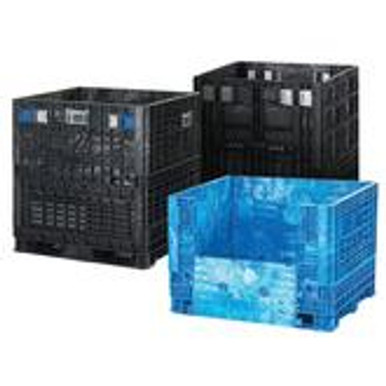
Numerous markets have distinctive requirements for transportation and storage space, mass containers have emerged as a flexible solution that meets a large array of demands. These containers, ranging from huge containers to specialized tanks, can accommodate diverse materials, including granules, fluids, and powders. In the farming sector, mass containers help with the transport of plant foods and grains, while the food and drink market uses them for active ingredients and ended up items. The chemical sector depends on mass containers for securely carrying harmful products, making sure conformity with safety regulations. Additionally, construction companies gain from mass containers for moving accumulations and various other materials. Their versatility includes various modes of transport, consisting of trains, ships, and trucks, enhancing logistical effectiveness. This convenience not just streamlines operations across different fields but also promotes sustainability by reducing product packaging waste and enhancing room in transit. As a result, bulk containers play a crucial role in modern-day supply chain monitoring.
Future Fads wholesale Container Use and Sustainability
The future of bulk container usage is progressively formed by innovative materials advancement that boosts sustainability. Additionally, automation in logistics guarantees to improve procedures, lowering waste and boosting performance. Accepting circular economic situation methods will additionally reinvent how bulk containers are created, utilized, and reused, promoting an extra sustainable transport landscape.
Innovative Materials Development
As industries progressively focus on sustainability, innovative products advancement in mass containers emerges as a significant aspect in enhancing eco-friendly transport remedies. Researchers and makers are checking out eco-friendly plastics, recycled composites, and lightweight steels to reduce environmental effect. These products not just minimize waste however likewise boost fuel performance by decreasing the overall weight of containers. Furthermore, advancements in wise products, which can adjust to differing conditions, enhance the toughness and functionality of bulk containers. The integration of these ingenious materials lines up with circular economic situation concepts, advertising reuse and recycling. As the demand for sustainable practices grows, the advancement of such materials will play an important function in forming the future of mass container use in logistics and transport.
Automation in Logistics
Substantial advancements in automation are poised to change logistics and the utilization of bulk containers, enhancing sustainability in transport. Automated systems, consisting of drones and independent vehicles, are streamlining the movement of bulk containers, lowering the dependence on typical fuel-powered transportation. These innovations optimize routing and filling procedures, boosting and decreasing vacant miles gas effectiveness. Furthermore, automated inventory administration systems improve tracking and monitoring of mass containers, making certain much better source allowance and decreased waste. The integration of the Net of Things (IoT) allows real-time information evaluation, enabling proactive decision-making that straightens with sustainability goals. As automation proceeds to progress, it is anticipated to drive better advancements in bulk container usage, inevitably supporting more sustainable hop over to here logistics practices and decreasing the ecological effect of transport.
Circular Economy Practices
Innovations in automation are setting the phase for a much more integrated strategy to circular economic situation methods in the domain name of bulk container use. As markets significantly embrace sustainability, bulk containers are being created for long life and reusability. This change not only decreases waste but additionally improves source efficiency. Business are adopting methods such as closed-loop systems, where used containers are gathered, reconditioned, and reintroduced into the supply chain. In addition, wise technologies track container great post to read life cycles, promoting better monitoring and reducing environmental effect. The cooperation in between producers, logistics suppliers, and end-users is essential in establishing requirements for lasting container usage. used collapsible containers. Future fads indicate a growing emphasis on products that are biodegradable and recyclable, further enhancing the round economic situation's concepts wholesale transportation
Often Asked Questions
What Materials Are Bulk Containers Usually Made From?
Bulk containers are commonly built from long lasting materials such as high-density polyethylene, steel, light weight aluminum, and cardboard. These materials supply strength, convenience, and protection, making them appropriate for transferring various goods in different sectors efficiently.
Exactly how Do I Pick the Right Dimension Bulk Container?
Choosing the ideal dimension bulk container includes evaluating the volume of products to be transported, thinking about managing tools compatibility, and appraising storage room needs. Correct size warranties performance in transport and minimizes waste during shipment.
Are Mass Containers Reusable or Recyclable?
Mass containers are often reusable, made for numerous journeys, boosting sustainability. Lots of can additionally be recycled, depending upon the materials utilized. Selecting recyclable alternatives additionally minimizes and supports ecological objectives waste in transportation practices.
What Safety Regulations Apply to Mass Container Transportation?
Safety and security guidelines for mass container transport consist of compliance with the Department of Transportation guidelines, appropriate labeling of harmful materials, structural integrity assessments, and adherence to weight restrictions to guarantee safe handling and prevent accidents throughout transportation.
Just How Can Businesses Shift to Making Use Of Bulk Containers Properly?
Services can alter to bulk containers by evaluating present logistics, educating staff on handling, buying ideal tools, redirected here enhancing supply monitoring, and teaming up with suppliers to ensure compatibility and effectiveness throughout the supply chain.
As industries significantly focus on sustainability, the fostering of bulk containers has arised as a vital strategy for minimizing waste and lowering carbon footprints. By consolidating materials right into mass containers, business can simplify their inventory processes, minimizing the complexity linked with tracking numerous smaller sized plans. As markets significantly prioritize sustainability, ingenious products growth in mass containers emerges as a substantial element in enhancing environment-friendly transportation solutions. Automated systems, consisting of drones and autonomous cars, are streamlining the motion of bulk containers, minimizing the reliance on standard fuel-powered transportation. In addition, automated stock administration systems boost monitoring and surveillance of bulk containers, making sure much better source appropriation and minimized waste.